Bird mesh, a versatile and increasingly vital component in modern infrastructure and emergency response, is rapidly gaining global recognition. Initially conceived for specialized applications like aviary protection, its inherent properties – lightweight durability, adaptable configuration, and cost-effectiveness – have broadened its utility across diverse sectors. Understanding bird mesh isn’t just about the material itself, but about a paradigm shift in how we approach shelter, security, and sustainable building practices.
The global demand for rapid deployment solutions, whether for disaster relief, temporary housing, or remote industrial operations, is escalating. Factors such as increasing frequency of natural disasters, global population displacement, and the need for scalable infrastructure in challenging environments drive this demand. Bird mesh offers a compelling alternative to traditional construction methods, addressing critical needs with speed, efficiency, and minimal environmental impact.
Its adaptability extends beyond immediate needs; the sustainability inherent in its design and potential for repurposing present long-term benefits for communities and organizations alike. As the world increasingly prioritizes resilience and responsible resource management, bird mesh stands as a pivotal solution.
Introduction to Bird Mesh
Bird mesh, at its core, is a highly engineered netting system originally designed to protect avian life. However, its unique combination of strength, flexibility, and lightweight properties has catalyzed its expansion into a much broader range of applications. This innovative material presents a compelling alternative to conventional construction techniques, particularly in scenarios demanding rapid deployment and adaptability.
Its growing prominence reflects a global shift towards sustainable and efficient solutions. By minimizing material waste, reducing construction time, and enabling modular designs, bird mesh contributes to a more environmentally conscious approach to infrastructure development. This expands beyond simple construction - it is becoming integral to humanitarian aid and emergency response.
Defining Bird Mesh and Its Applications
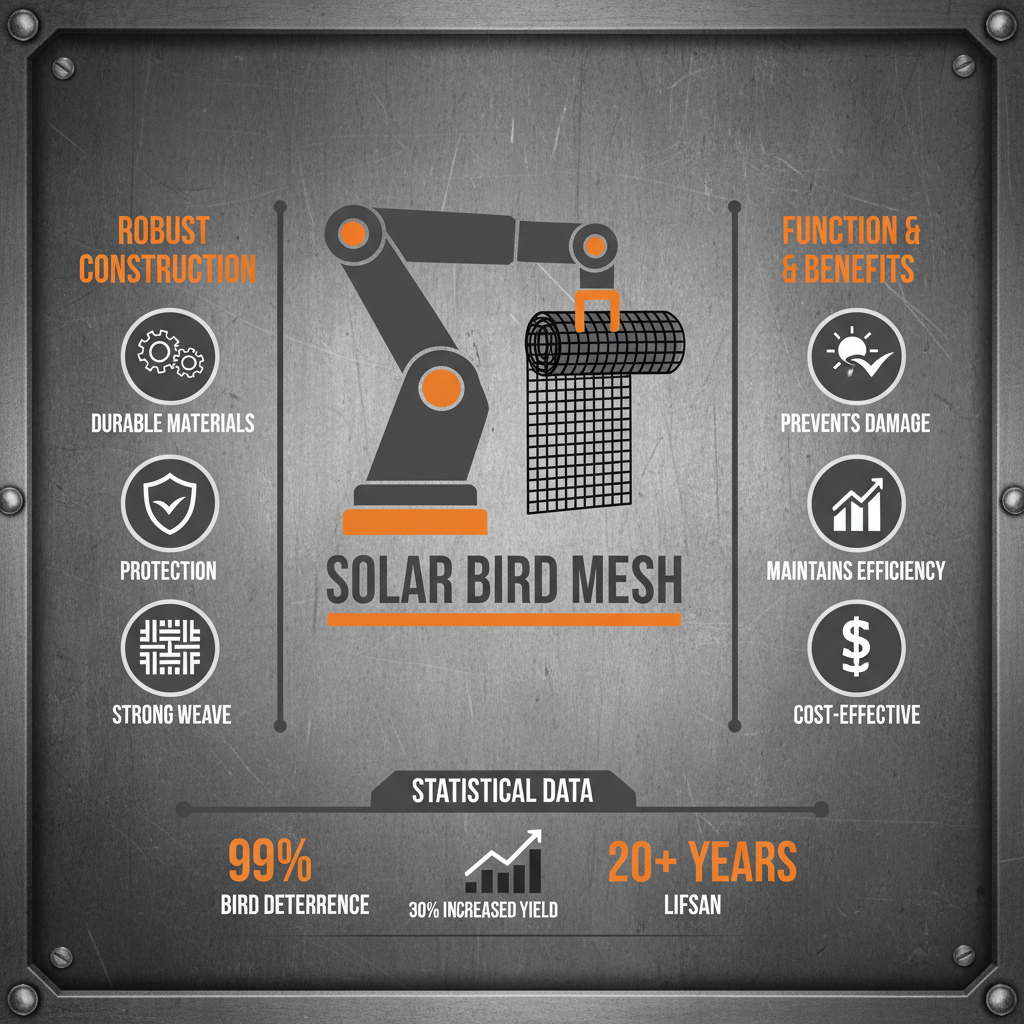
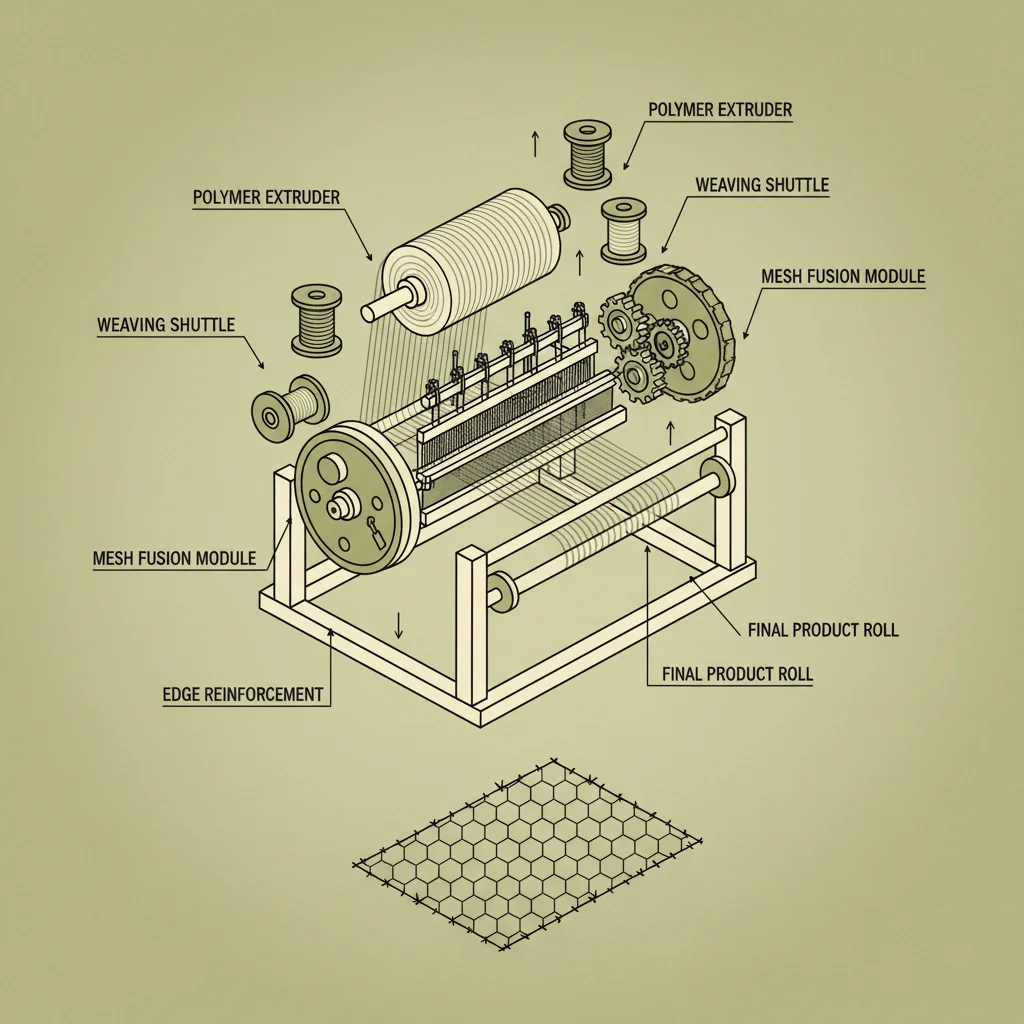
Bird mesh isn't simply netting; it's a meticulously crafted structure typically made from high-tensile strength polymers, often polyethylene or polypropylene. The specific weave and denier of the material are tailored to the intended application, determining its strength, elasticity, and UV resistance. These characteristics make it suitable for bearing significant loads while remaining remarkably lightweight.
Beyond its original purpose of bird protection, modern applications include creating temporary shelters, establishing secure perimeters, facilitating rapid deployment of field hospitals, and providing containment solutions for various industries. The material's inherent flexibility allows for the creation of adaptable spaces that can be quickly assembled and disassembled.
This versatility has led to its adoption by organizations involved in disaster relief, humanitarian aid, and remote operations, where traditional building methods are impractical or too slow. It’s increasingly recognized as a crucial component in addressing urgent infrastructure needs.
Key Characteristics of Bird Mesh
One of the primary advantages of bird mesh is its exceptional durability. The high-quality polymers used in its construction are resistant to tearing, abrasion, and degradation from UV exposure, ensuring a long service life even in harsh environmental conditions. This resilience reduces the need for frequent replacements, lowering long-term costs and minimizing environmental impact.
Scalability is another critical feature. Bird mesh systems can be easily expanded or contracted to accommodate changing needs. This modularity allows for rapid adaptation to varying site requirements and ensures efficient resource allocation. The lightweight nature of the material simplifies transportation and installation, further contributing to its scalability.
Cost-efficiency is a significant driver of bird mesh adoption. Compared to traditional construction materials like concrete, steel, or wood, bird mesh offers a substantial reduction in material costs and labor requirements. Its ease of installation and minimal foundation needs also contribute to overall project savings.
Practical Applications Across Industries
In disaster relief, bird mesh is used extensively to create temporary shelters, field hospitals, and secure perimeter zones for aid distribution. Its rapid deployment capabilities are invaluable in the immediate aftermath of earthquakes, hurricanes, or floods, providing critical support to affected populations. Organizations like the Red Cross are increasingly utilizing bird mesh solutions for their emergency response efforts.
The agricultural sector benefits from bird mesh through protective netting for crops, creating controlled environments for plant growth, and constructing lightweight animal enclosures. In remote industrial zones, bird mesh is employed to establish secure work areas, temporary offices, and storage facilities. Mining operations in challenging terrains also find it useful for site containment and safety.
Comparative Performance of Different Bird Mesh Applications
Advantages and Long-Term Value Proposition
The tangible benefits of utilizing bird mesh extend beyond immediate cost savings. The material's inherent durability translates into reduced maintenance and replacement costs over its lifespan. This contributes to long-term sustainability and a lower total cost of ownership. Furthermore, the lightweight nature of the material significantly reduces transportation costs and logistical complexities.
From a social impact perspective, bird mesh offers a dignified and safe solution for providing temporary housing and emergency assistance. Its rapid deployment capabilities can swiftly address critical needs, restoring a sense of normalcy and security for affected communities. The inherent trust associated with providing swift and effective aid reinforces positive relationships between organizations and the people they serve.
Future Trends and Innovations in Bird Mesh Technology
Ongoing research focuses on enhancing the performance characteristics of bird mesh through the incorporation of advanced materials, such as recycled polymers and bio-based plastics. This aligns with the growing demand for sustainable building solutions and reduces the environmental footprint of production. Integrating smart technologies, like embedded sensors, to monitor structural integrity and environmental conditions, represents another exciting area of development.
The convergence of bird mesh with digital fabrication techniques, such as 3D printing, promises to revolutionize customization and on-demand production. Automated manufacturing processes can further reduce costs and improve efficiency. These innovations will unlock new applications for bird mesh in diverse sectors.
Collaboration between material scientists, engineers, and architects will be pivotal in realizing the full potential of bird mesh, ushering in a new era of adaptable, sustainable, and resilient infrastructure.
Challenges and Potential Solutions
Despite its numerous advantages, bird mesh faces challenges related to long-term UV degradation in certain climates and potential vulnerability to sharp objects. While the material is inherently resistant, prolonged exposure to intense sunlight can gradually weaken the polymer structure. Proper UV stabilization additives and protective coatings can mitigate this issue.
Another challenge lies in ensuring adequate anchoring and tensioning in varying terrain conditions. Innovative anchoring systems and tensioning mechanisms are being developed to address this concern, providing greater stability and resilience. Standardization of installation procedures and rigorous quality control measures are also crucial for ensuring optimal performance.
Addressing these challenges through continued research, development, and collaboration will solidify bird mesh’s position as a leading solution for rapid deployment and sustainable infrastructure.
Summary of Bird Mesh Performance Challenges and Solutions
| Challenge Area |
Severity Level (1-10) |
Potential Solutions |
Implementation Cost (Low/Medium/High) |
| UV Degradation |
7 |
UV Stabilizers, Protective Coatings |
Low |
| Puncture Resistance |
6 |
Reinforced Mesh, Protective Layers |
Medium |
| Anchoring in Loose Soil |
8 |
Ground Anchors, Tensioning Systems |
Medium |
| Wind Load Resistance |
5 |
Aerodynamic Design, Enhanced Tensioning |
Low |
| Installation Complexity |
4 |
Simplified Installation Guides, Training Programs |
Low |
| Material Sourcing & Sustainability |
6 |
Recycled Polymers, Bio-Based Materials |
Medium |
FAQS
Bird mesh shelters offer several advantages over traditional tents, including increased durability, faster deployment, and better ventilation. The mesh structure is less susceptible to damage from wind and rain, and its lightweight construction allows for quicker setup in challenging environments. Furthermore, the open design promotes air circulation, reducing humidity and preventing the build-up of mold or mildew, creating a healthier living environment. The material is often more robust than standard canvas and can withstand more rigorous use.
With proper maintenance and high-quality UV stabilization, a bird mesh shelter can realistically last between 3 to 5 years in disaster-prone areas experiencing frequent extreme weather. Regular inspection for tears or damage, along with the application of protective coatings, can extend its lifespan. The durability of the mesh itself is significant, but the longevity is also dependent on the quality of the anchoring system and the severity of the environmental conditions. Replacement parts are generally inexpensive and easy to install.
Yes, bird mesh housing is increasingly recognized as an eco-friendly and cost-effective solution. The material requires significantly less energy to produce compared to concrete or steel, and its lightweight nature reduces transportation costs and emissions. The potential for utilizing recycled polymers further enhances its sustainability. The lower labor costs associated with installation and the minimal foundation requirements also contribute to its overall cost-effectiveness, making it accessible for a wider range of applications.
NGOs deploying bird mesh internationally need to navigate import regulations specific to each country, including customs duties, material certifications, and safety standards. Logistical considerations include coordinating transportation, securing necessary permits, and establishing local partnerships for storage and installation. It's crucial to engage with local authorities and adhere to ethical sourcing practices. Pre-shipment inspections and documentation are also vital to ensure a smooth import process.
Generally, bird mesh solutions are significantly more cost-effective than shipping and erecting traditional modular container homes. Container homes incur substantial shipping expenses, particularly for long distances, and require heavy machinery for placement. Bird mesh, being lightweight, dramatically reduces transportation costs. While container homes offer more robust structure, bird mesh offers a quicker, more flexible, and generally cheaper solution, particularly in emergency scenarios or for temporary structures where complex foundations aren’t feasible.
Fire safety is a crucial consideration. While bird mesh itself is often flame-retardant, any coverings or interior materials need to meet local fire safety codes. Structures should be designed with adequate ventilation and escape routes. It’s vital to consult local building codes and obtain necessary permits before construction. In many cases, bird mesh structures are classified as temporary shelters and may have different regulations than permanent buildings, but compliance with fire safety standards is always essential.
Conclusion
Bird mesh represents a paradigm shift in how we approach shelter, security, and sustainable infrastructure. Its unique combination of durability, scalability, cost-efficiency, and adaptability makes it an invaluable tool for addressing a wide range of challenges, from disaster relief to remote industrial operations. By embracing this innovative material, we can create more resilient, sustainable, and equitable communities.
Looking ahead, continued research and development in material science, coupled with the integration of smart technologies, will unlock even greater potential for bird mesh. Investing in the adoption of this technology is not merely a practical solution; it's an investment in a more sustainable and resilient future. Visit our website at bird mesh to learn more about how we can help you implement bird mesh solutions.