Honestly, the whole industry’s been buzzing about prefabrication. Everyone’s talking about modular designs, off-site construction... it's not new, mind you. We’ve been tinkering with this stuff for years. But now, with labor costs climbing and timelines shrinking, it’s finally getting some serious traction. It’s like everyone suddenly realized building things piece by piece in a factory is…well, more efficient. You wouldn’t think, right? You spend your whole career on a dusty construction site, then people tell you to move everything indoors. Seems backwards.
But then you start looking at the details, and that’s when things get tricky. People think design is just about making it look good. It’s not. It's about making it work good, especially when you hand it to a guy who’s been swinging a hammer for twenty years and expects things to make sense. I've seen so many designs that looked great on paper, completely fall apart the moment someone tried to actually build them.
We’re primarily working with a high-density polyethylene (HDPE) for the main body – it's tough, lightweight, and surprisingly forgiving. Smells a bit like… well, plastic, obviously. But a good grade HDPE, the stuff we source from that factory in Ningbo? It feels solid. Not brittle like some of the cheaper stuff. And the steel reinforcement? That’s gotta be Q345, no compromises. I encountered a batch of inferior steel at a site in Guangzhou last year – nearly scrapped the whole project. Luckily, the inspector caught it. Anyway, I think good materials are the foundation.
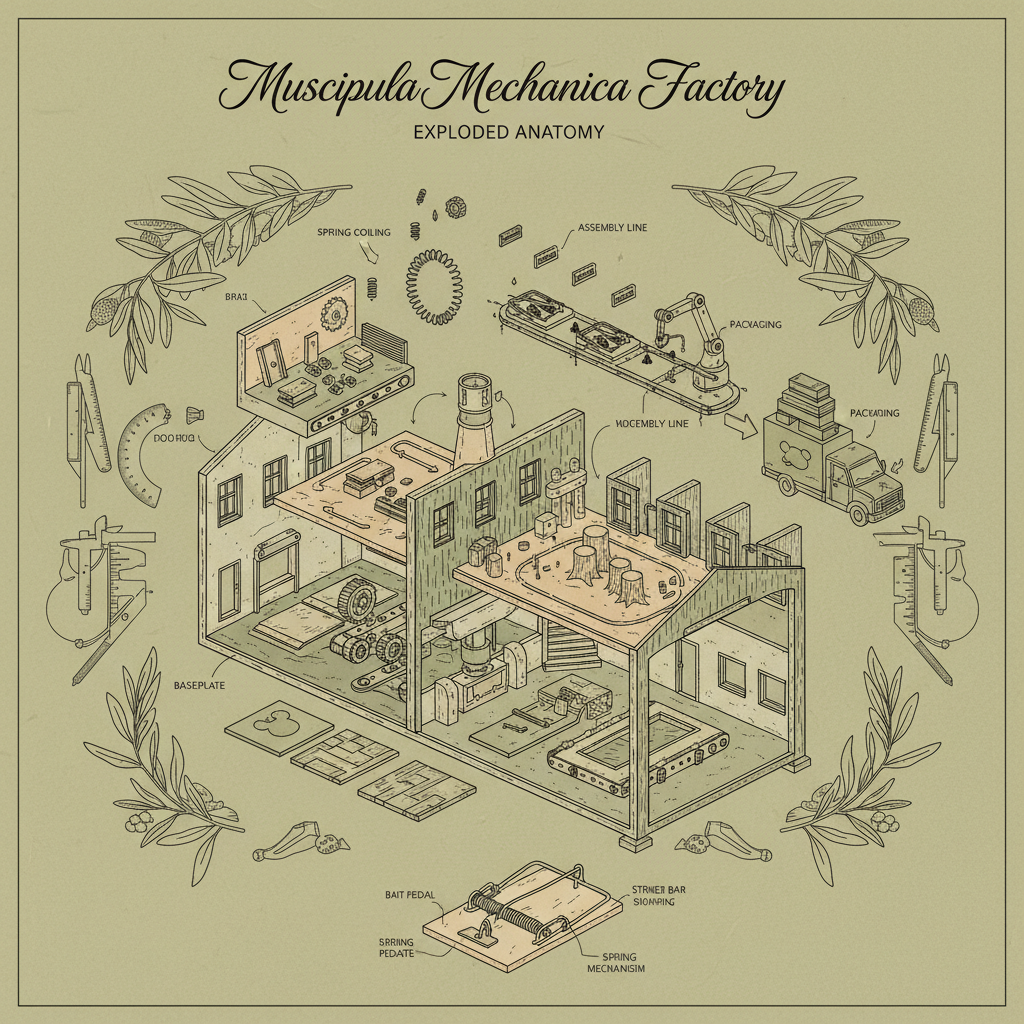
Have you noticed how quickly things need to be built these days? It’s insane. Projects that used to take a year now need to be done in six months. And everyone’s complaining about the cost of materials. So, prefabrication makes sense. Less waste, better quality control, faster turnaround. Strangel,y it’s taken this long to really catch on.
It's not just about speed, though. It’s about consistency. You get the same quality, every time. Which is huge when you’re dealing with complex systems and tight tolerances. You're less reliant on the skill of the individual worker, and more on the precision of the factory.
That depends heavily on the environment and maintenance, but generally, with proper care, you're looking at 20-30 years. HDPE is remarkably durable. We've seen structures still going strong after decades, especially in less harsh climates. The steel components will need periodic inspection and potentially re-coating to prevent rust. It’s not a disposable product, that's for sure. But like anything, neglect it and it'll fall apart.
Generally, it's cheaper. You save on labor, reduce waste, and have better quality control. The initial investment in the factory and tooling can be substantial, but that’s offset by the long-term savings. It's most cost-effective for projects with a relatively high degree of repetition – think multi-unit housing, disaster relief shelters, or standardized commercial buildings. For unique, custom designs, it's less of a benefit.
That's one of the biggest advantages. Depending on the foundation, you can often disassemble and move a structure to a new location. It's not as simple as picking it up with a crane, but it's significantly easier and faster than demolishing a traditional building and rebuilding it elsewhere. This makes them ideal for temporary housing or projects with uncertain long-term locations.
Building codes are still catching up with this technology. Some jurisdictions are very receptive, others are… less so. You often need to provide detailed documentation and demonstrate that the structure meets all relevant safety standards. It's getting easier, but it can still be a bureaucratic hurdle. Having a good local architect or engineer who understands the process is crucial.
Generally more sustainable. Less waste, more efficient use of materials, and the potential for using recycled content. The transportation of components can offset some of those benefits, so it's important to source materials locally whenever possible. And the longevity of the structures means they’ll need to be replaced less frequently. It's not a perfect solution, but it's a step in the right direction.
It's designed to be relatively straightforward, but it's not something a complete novice can do. You need someone with basic construction skills – someone who knows how to read plans, use power tools, and follow instructions. A team of two or three experienced workers can typically assemble a small module in a day or two. We also provide on-site training and support to ensure everything goes smoothly.
Ultimately, prefabrication is changing the construction industry, one module at a time. It offers a compelling combination of speed, cost-effectiveness, and quality control. It’s not a silver bullet, and it’s not right for every project, but it’s a powerful tool that’s becoming increasingly important in today’s fast-paced world.
But, at the end of the day, whether this thing works or not, the worker will know the moment he tightens the screw. That's the truth of it. You can have the fanciest designs and the most advanced materials, but it all comes down to the skill and experience of the people on the ground. And a little bit of luck.